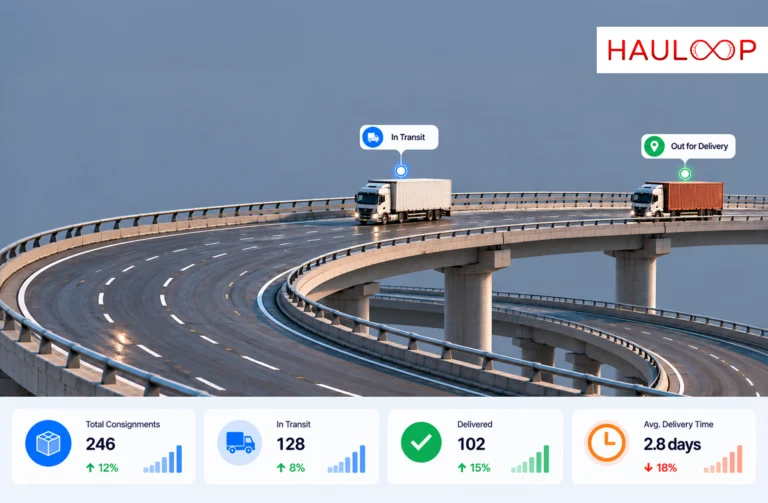
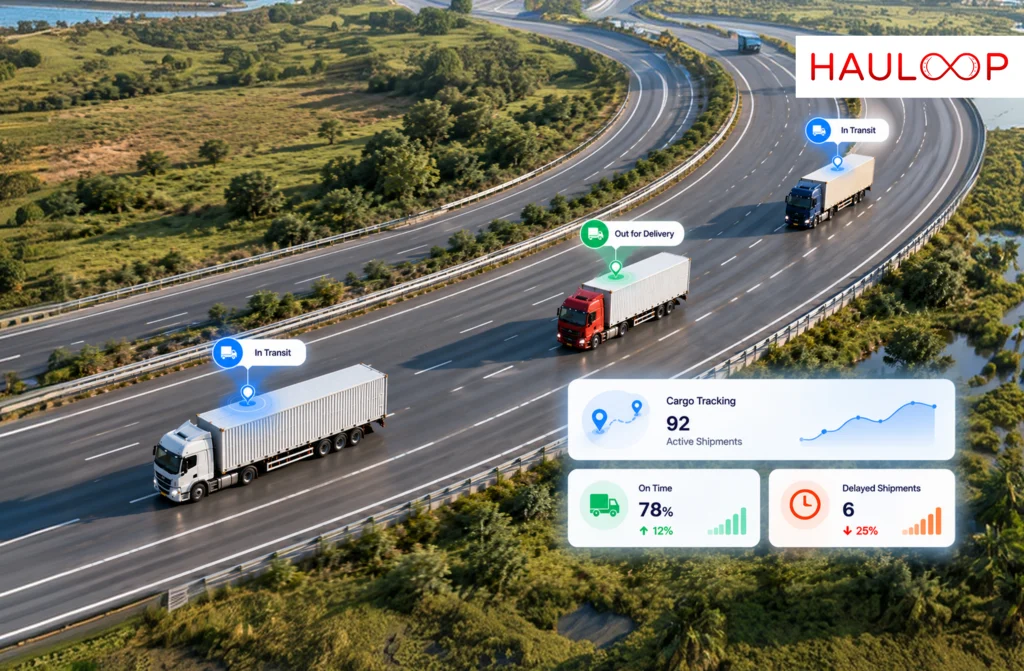
A truck leaves the depot carrying twelve customer orders. The vehicle follows the planned route and reaches every delivery area on time.
By the end of the day, ten orders have been delivered, one is delayed and one is returning to the depot. Vehicle tracking can show where the truck travelled. It cannot give each order its own outcome.
This distinction is becoming more important as logistics analysis moves closer to individual goods. The World Bank’s 2025 Logistics Performance Index uses shipment-level operational data from maritime, aviation and postal operators to assess supply-chain connectivity, speed and reliability.
A cargo tracking system connects each order or consignment with the events affecting it. Instead of treating everything inside the truck as one movement, it shows which cargo is progressing normally, which delivery has stopped and which customer commitment needs attention.
Let’s examine what cargo tracking adds when a vehicle’s location cannot explain the status of every order it carries.
Understand What a Cargo Tracking System Follows
A cargo tracking system follows the customer’s goods through the planned delivery process.
The record normally begins with an order, consignment or delivery reference. Operational events are then connected to that reference as the cargo is collected, assigned, dispatched, delayed, delivered, refused or returned.
The difference lies in what is being tracked:
- Vehicle tracking follows the truck’s location, route, stops and movement.
- Cargo tracking follows the progress of a specific order or consignment.
A cargo and delivery view can connect the order reference with relevant trip and delivery activity. Dispatch can search for the customer’s cargo directly instead of first identifying the truck and manually reconstructing what happened.
Cargo tracking does not automatically prove custody, quantity or final acceptance. Its primary role is to show where the order stands within the planned workflow. Those other questions need supporting records, which we will separate later in the article.
One Truck Can Carry Several Different Cargo Outcomes
A vehicle usually has one movement status at a time. It may be travelling, stopped, delayed or back at the depot.
The orders inside it can have very different outcomes.
On a multi-stop route, the first four deliveries may already be complete while the remaining orders are still moving. One customer may be unavailable. Another order may be delayed because the delivery window changed. Refused cargo may remain inside the same truck while the driver continues to the next stop.
Marking the entire vehicle as “in progress” hides these differences. Marking the route “complete” when the truck returns can be even more misleading.
Order-level tracking allows the operations team to separate:
- Cargo that has been delivered
- Orders still moving towards their stops
- Delayed or missed deliveries
- Partial, refused or failed outcomes
- Goods returning to the depot
The truck remains part of the movement, but its status is no longer used as a substitute for every order it carries.
Give Every Order a Status Based on a Real Event
A useful delivery status should change because something happened—not because someone made a guess.
For example, “assigned” can mean the order has been connected to a scheduled trip. “Collected” can confirm that the goods entered the transport process. “Out for delivery” should apply when the relevant order begins moving towards its destination, not merely because a truck carrying several deliveries left the depot.
The business should define:
- The event that creates each status
- The person or system responsible for recording it
- Whether the status applies to the vehicle or the order
- What should happen when the next expected event is missed
- Which updates can be shared with the customer
Clear rules matter because different teams may interpret the same words differently. Dispatch may consider an order “dispatched” when it is assigned to a trip, while the warehouse may use the same term only after loading is confirmed.
A good cargo tracking system keeps the status model simple enough for operations, customer service and drivers to interpret consistently.
Find the Delayed Order Without Calling Every Driver
The operational value of cargo tracking appears when one order stops progressing as expected.
If eleven consignments are moving normally and one misses its planned milestone, the system should direct attention to the affected order. Dispatch can then review its assigned vehicle, latest confirmed event, customer window and location context.
Relevant ETA updates can show whether the expected arrival has changed as the trip progresses. An ETA remains an estimate; it does not prove that the cargo was delivered or accepted.
Our guide to vehicle tracking context explains what GPS and trip information reveal about movement. Connecting that data with the order reference helps the team identify which customer commitment is affected.
This changes the dispatcher’s question from “Which trucks are late?” to “Which order is at risk, why has it stopped progressing and what action is needed?”
Give Customers the Right Update Without Exposing the Whole Route
Customers want information about their own cargo. They do not need to see every stop, customer or consignment sharing the vehicle.
An order-level update can show that the cargo has been collected, assigned for delivery, delayed, attempted, completed or scheduled to return. It may also provide an updated arrival estimate when reliable trip data is available.
During the final stage, delivery status tracking can connect confirmed operational events with customer communication. The message should reflect what has actually happened rather than relying on a generic “on the way” update.
Completion still requires separate evidence. Our article on delivery dispute evidence explains what should be recorded when the recipient questions whether the correct goods were handed over.
Cargo tracking explains how the order is progressing. Proof of delivery supports what happened during the final handover.
Keep Cargo Status, Custody and Delivery Evidence Separate
One tracking update cannot answer every question about a delivery.
Four connected records serve different purposes:
- Vehicle movement: Where did the truck travel?
- Cargo status: Which stage has the order reached?
- Cargo custody: Who controlled or acknowledged the goods at each handover?
- Delivery evidence: What quantity and condition did the recipient accept?
These records can support one another, but they should not be treated as interchangeable.
A truck entering the customer’s geofence does not prove that the cargo was unloaded. A completed order status does not identify who accepted it. A signature does not necessarily prove that the complete quantity arrived without damage.
Our guide to cargo custody explains why responsibility requires identified handovers, times, locations and acknowledgements not location data alone.
Keeping these boundaries clear prevents a vehicle position from being presented as cargo evidence or a delivery status from being treated as final proof.
Conclusion: Track the Order, Not Only the Truck Carrying It
Return to the truck carrying twelve customer orders. The vehicle completed one route, but the cargo produced twelve individual outcomes.
Vehicle tracking could show where the truck travelled. A cargo tracking system could identify the ten completed deliveries, the delayed order and the goods returning to the depot.
That is the value of order-level cargo visibility. Each consignment retains its own status, milestones and exceptions even when several orders share the same vehicle and route.
The fleet can find the cargo that needs action, give the customer a relevant update and connect the order with separate custody and delivery evidence when required.
AI-powered fleet management software can connect cargo references with vehicle trips, delivery milestones and operational exceptions while keeping location, status and handover evidence distinct. Book a Demo to see how Hauloop can help your team follow every order from dispatch to completion.
Frequently Asked Questions
What is a cargo tracking system?
A cargo tracking system follows individual orders or consignments through defined operational stages. It connects each cargo reference with events such as collection, assignment, dispatch, delay, delivery attempt, completion or return so teams can understand the status of the goods rather than only the vehicle carrying them.
How is cargo tracking different from vehicle tracking?
Vehicle tracking shows the truck’s location, route, stops and movement. Cargo tracking shows the progress of a particular order associated with that operation. One truck can carry several consignments, and each may have a different delivery status, expected arrival or exception.
Can a cargo tracking system identify a delayed order?
Yes, when each order has its own reference, expected milestones and trip association. The system can identify which consignment missed an expected event or delivery window, allowing dispatch to investigate the affected order without treating the entire vehicle movement as delayed.
Does cargo tracking prove that an order was delivered?
Not by itself. A completed cargo status shows that the operational workflow was closed. Reliable proof of delivery should separately record the recipient, time, location, accepted quantity, condition and exceptions. The tracking status and delivery evidence should be connected but remain distinct.
Can several consignments be tracked on the same truck?
Yes. Each consignment can retain its own reference, planned stop, milestones and exception history while sharing a truck and trip with other orders. This is especially useful for multi-stop routes where deliveries are completed at different times and may produce different outcomes.
What cargo information should customers be able to see?
Customers generally need the current status of their order, relevant milestones, updated arrival information and confirmed exceptions. They should not need access to the vehicle’s complete route, other customer stops or unrelated cargo travelling on the same trip.