The Next Vehicle Position Is No Longer a Guess
Operations gain a forward-looking view of vehicle movement, helping teams understand where an active vehicle is likely to be next rather than relying only on its current position.
Go beyond the vehicle’s current GPS position. Hauloop uses ongoing movement and journey context to anticipate where a vehicle is heading next, helping operations prepare for what is coming instead of reacting only to where the vehicle is now.
Start Your 3-Month Trial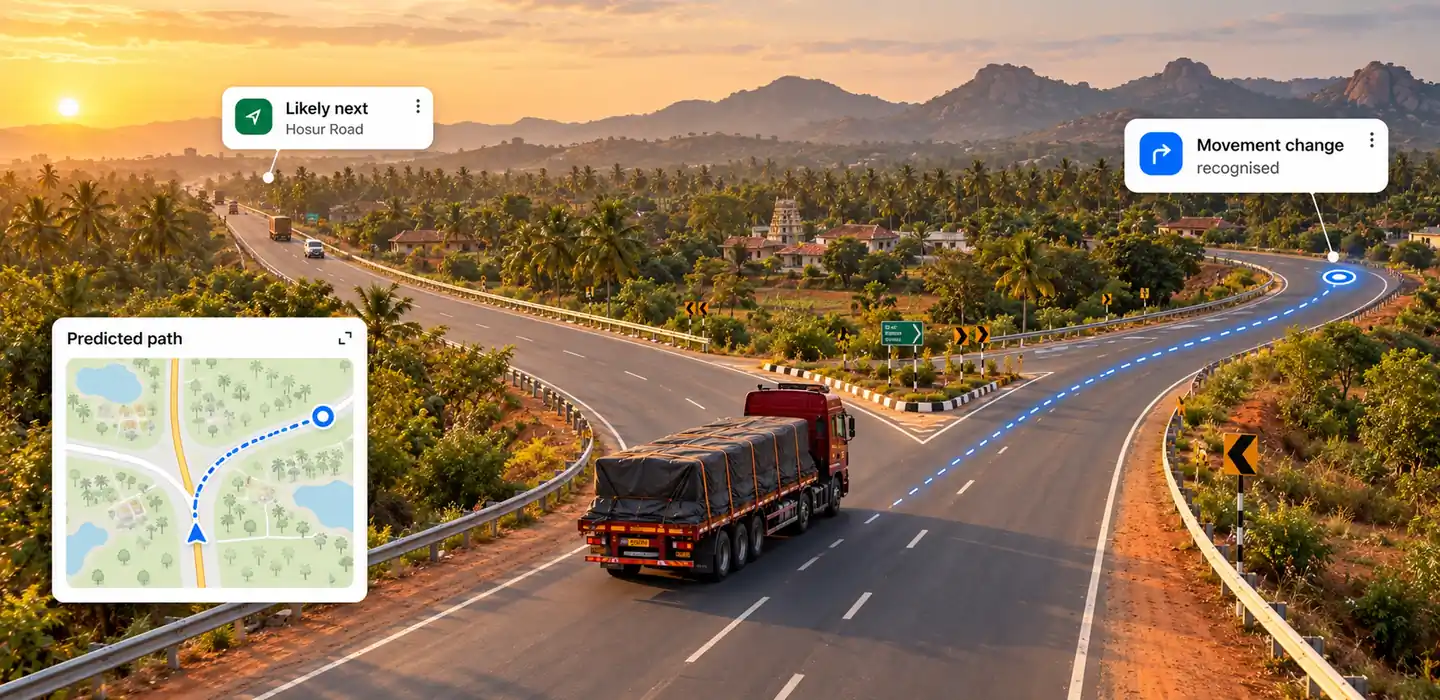
Operations gain a forward-looking view of vehicle movement, helping teams understand where an active vehicle is likely to be next rather than relying only on its current position.
When the likely next location is clearer, teams can prepare operational activity ahead of the vehicle instead of waiting for it to reach another known point.
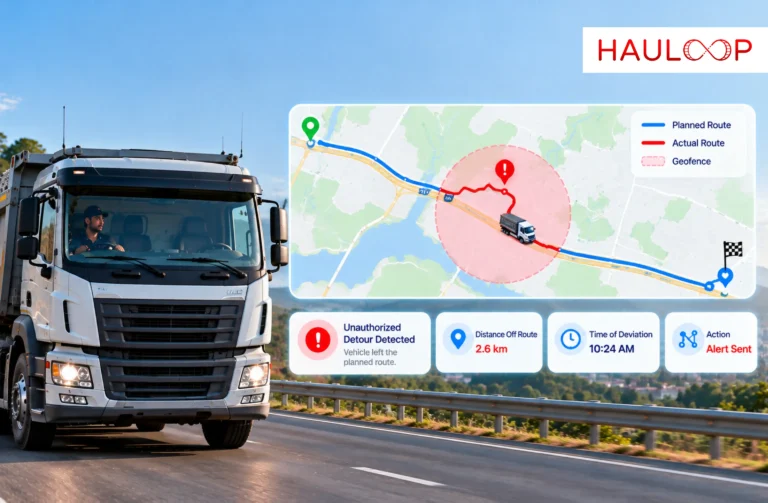
When actual movement begins differing from the predicted direction, operations have additional context for recognising that the journey may not be developing as expected.
Teams responsible for receiving, servicing or coordinating a vehicle can use its predicted movement to prepare for where it is heading before physical arrival.
Instead of making every decision from a vehicle’s present position, dispatch gains forward context that can support decisions involving the vehicle’s upcoming movement.
Teams can prepare around what is likely to happen next, reducing the dependence on repeated location checks before deciding what operational action should follow.
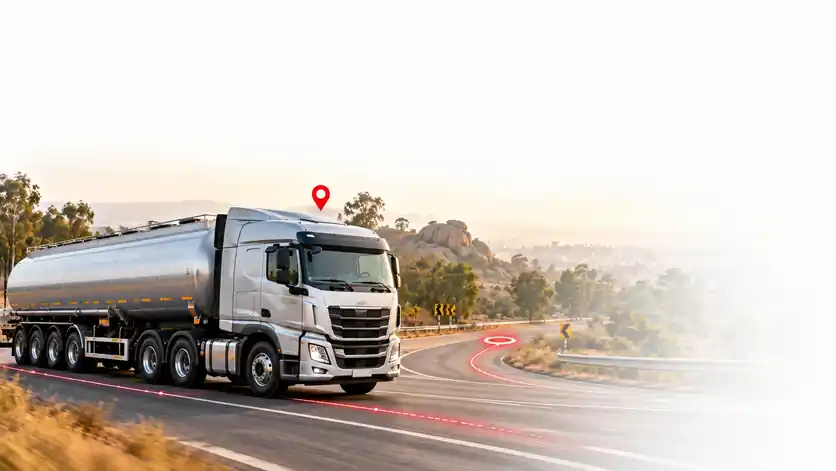
See the location where a vehicle is expected to be next, extending the operational view beyond its latest reported GPS position.

Use the vehicle’s ongoing direction of travel as part of the context for understanding where its current movement is taking it.

Factor the vehicle’s progress through its active journey into the prediction rather than treating each GPS position as an isolated location.

Project vehicle movement ahead to provide operations with a forward-looking location reference instead of only displaying where the vehicle has already been.

Refresh the predicted location as new movement data becomes available, allowing the forward view to develop as the vehicle continues travelling.

Compare how the vehicle actually progresses against its earlier predicted movement to identify where the journey begins developing differently.

Recognise changes in vehicle movement that affect the previous prediction, giving operations context when the expected path forward no longer holds.

Focus on the predicted movement of an individual vehicle when operations need to understand what is likely to happen next for a specific journey.

Bring current position, ongoing movement and forward prediction together so the predicted location can be understood in the context of the active journey.

From each new vehicle position to its likely next location, Hauloop continuously interprets how the vehicle is moving so operations can look beyond where it is right now.
Hauloop takes the vehicle’s latest movement into account, establishing the current position and direction from which the forward prediction begins.
Current movement is considered within the active journey, providing context for where the vehicle appears to be heading rather than treating each position separately.
Hauloop uses the developing movement pattern to produce a forward-looking location, extending the operational picture beyond the vehicle’s current GPS position.
As new vehicle data arrives, the predicted location develops with it so an earlier projection does not remain fixed when the vehicle’s movement changes.
Operations can use the latest prediction to prepare for what is likely to happen next instead of waiting for another reported position before taking action.
See how fleet coordination changes when teams can work with where a vehicle is likely to be next, instead of waiting for each new position to appear.
Each GPS update explains the present position, but operations still have to work out where that movement is likely to take the vehicle next.
Forward location prediction extends the operational picture beyond the latest position, giving teams an indication of where the vehicle is heading next.
Teams may need to wait for another location update before they have enough context to decide what should happen next.
Predicted movement gives operations forward context before the vehicle reaches its next reported position.
Unexpected movement may need to become more obvious across several position updates before the operational picture becomes clear.
As the vehicle moves differently, the prediction adjusts with new movement data rather than leaving teams dependent on an earlier projection.
Teams at the next operational point may wait for another confirmed position before preparing for the approaching vehicle.
The likely next location gives field teams additional context for preparing before the vehicle reaches that point.
Decisions about an active vehicle begin with where it has most recently been reported, leaving the next movement to interpretation.
Current movement and predicted location give dispatch a clearer basis for decisions involving what is likely to happen next.
Operational actions tend to happen after new location information arrives, keeping teams one update behind the vehicle’s movement.
Teams can use the forward prediction to prepare the next operational action before another location update is required.
Current Movement
Prediction Starting Point
Forward-Looking
Location Projection
Continuously Updated
Movement Prediction
Next Location
Likely Position
Journey-Aware
Prediction Context