
Delivery Route Optimization

Updated August 6, 2026
Fleet Glossary

Delivery Route Optimization

Last updated: August 6, 2026

Delivery route optimization is the process of determining the most efficient stop sequence and travel plan for one or more delivery vehicles. Unlike basic navigation, which finds a path between two locations, optimization evaluates multiple orders, vehicles, and operational constraints simultaneously. Its purpose may be to reduce distance, travel time, fuel use, late arrivals, or the number of vehicles required.

The system considers delivery addresses alongside factors such as vehicle capacity, customer time windows, driver shifts, service duration, road restrictions, depot locations, and order priority. Algorithms calculate feasible route combinations and assign stops to suitable vehicles. Historical travel patterns and completed-route data can improve future estimates, while live traffic, cancellations, urgent orders, or vehicle delays may trigger re-optimization during the working day.

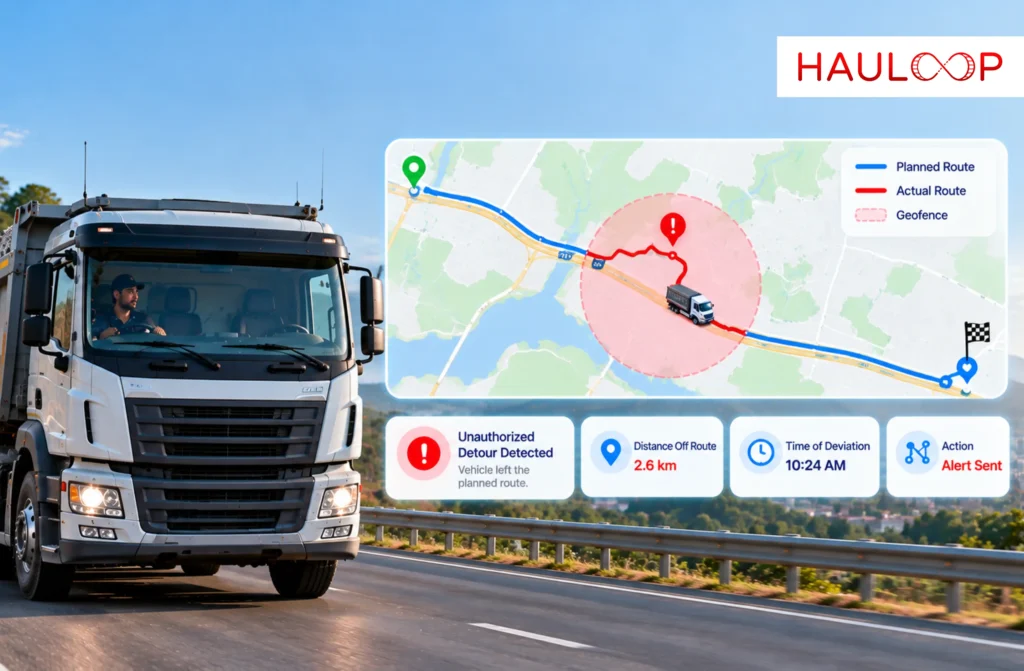
A well-designed routing process can increase completed stops per vehicle, reduce unnecessary mileage, and provide customers with more dependable arrival estimates. However, the shortest route is not always operationally achievable or commercially preferable. Plans must account for loading order, vehicle suitability, driver knowledge, legal restrictions, promised service levels, and realistic time at each stop. Fleet teams should compare planned routes with actual travel, dwell time, missed windows, and completion rates. This feedback reveals whether routing rules accurately reflect real delivery conditions and where adjustments are needed.

Common questions

Quick answers related to Delivery Route Optimization.

How does delivery route optimization work?

Delivery route optimization analyzes stops, vehicles, and operating constraints before calculating efficient assignments and visit sequences. Depending on the platform, it may consider distance, traffic, capacity, time windows, driver hours, service duration, road restrictions, priorities, and depot start or finish points.

What is the difference between route planning and route optimization?

Route planning creates a workable journey or assigns stops manually. Route optimization evaluates numerous possible combinations to identify a more efficient plan based on defined objectives and constraints. It can coordinate multiple vehicles and deliveries rather than selecting directions for one journey alone.

Can delivery routes be changed after drivers leave the depot?

Yes. Dynamic route optimization can recalculate assignments when traffic, cancellations, breakdowns, urgent orders, or delays affect the original plan. Before sending an update, the system should consider driver location, remaining capacity, delivery commitments, loading sequence, and whether reassignment is operationally practical.

Which data is needed for accurate delivery route optimization?

Accurate optimization requires validated delivery addresses, time windows, service durations, order sizes, priorities, vehicle capacities, driver schedules, depot details, and road restrictions. Historical travel and dwell-time records improve estimates, while incomplete or outdated inputs can produce routes that appear efficient but fail operationally.

How should fleets measure route optimization performance?

Fleets should compare planned and actual mileage, travel time, stops completed, on-time delivery, vehicle utilization, fuel use, overtime, and failed deliveries. Monitoring dwell time and route deviations helps determine whether inefficiency comes from routing logic, traffic, customers, loading, or driver execution.