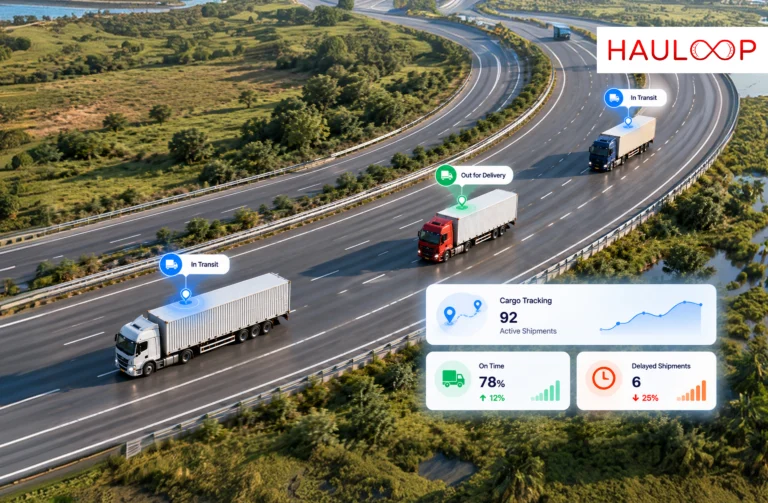
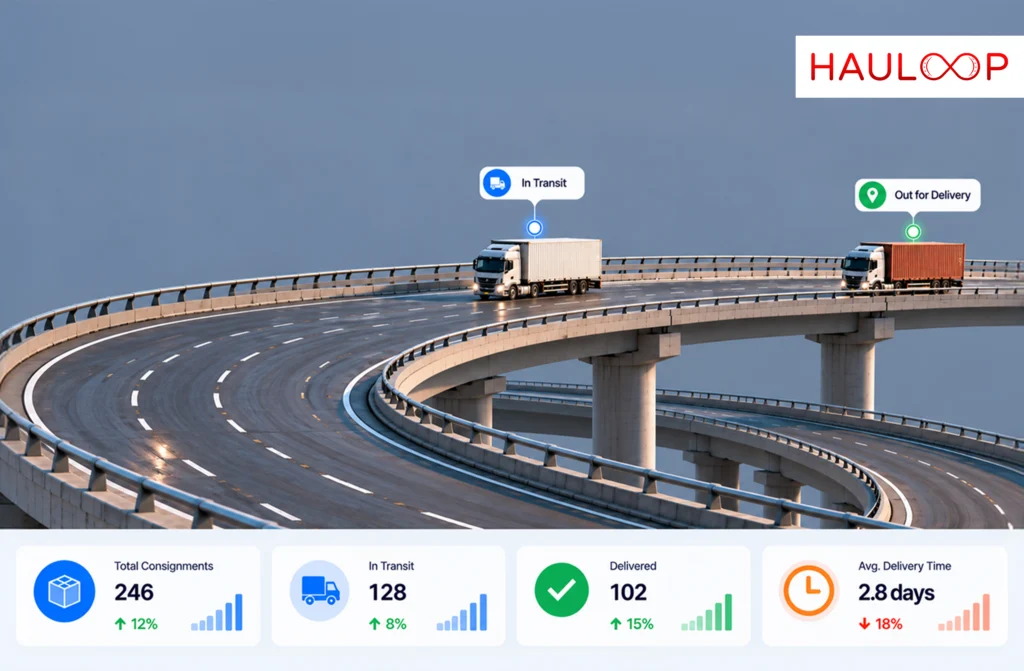
A consignment leaves a supplier by truck, passes through a consolidation centre, moves through a port, travels by sea and reaches the customer with another road carrier.
The first carrier can confirm the collection. The terminal can confirm receipt. The shipping line can report the container’s movement. The delivery partner can confirm the final stop. Yet the shipper may still struggle to answer one simple question: where is the consignment now?
This is not a small part of global logistics. UN Trade and Development reports that more than 80% of the volume of international trade in goods is carried by sea. Most of those shipments still need inland collection, terminal handling and onward delivery before the movement is complete.
The visibility problem appears when each provider records only its own activity. One portal says “completed,” another has not started updating, and the cargo appears to disappear between them.
Consignment tracking closes that gap by keeping the order connected to its references, milestones, handovers and exceptions from origin to final delivery. Let’s examine what the record must contain to remain useful when vehicles, partners and transport modes change.
Understand What Consignment Tracking Follows
Consignment tracking follows the commercial shipment rather than one vehicle or one carrier’s job.
The record begins with the customer’s order or consignment reference. Relevant collection, warehouse, container, booking and delivery records are then connected to it as the cargo moves through the planned process.
This distinction matters because the vehicle is temporary. A truck may carry the cargo only to a depot. A container may carry it across the main journey. Another truck may complete delivery. The consignment identity is the element that should remain unchanged.
At any point, the record should help the team see:
- The current confirmed stage
- The latest completed milestone
- The next expected event
- The partner responsible for the next update
- Any exception affecting the expected delivery
Consignment tracking shows progress. It does not, by itself, prove who had legal custody or whether the final quantity was accepted. Those questions require supporting handover and delivery records.
Keep One Shipment Identity Across Every Partner System
The same shipment can acquire several references before it reaches the customer.
A road carrier may create a trip number. A warehouse may issue a receipt. A shipping line may use a booking, container or bill-of-lading number. The final carrier may create a separate delivery job.
Forcing every partner to use the same number is rarely practical. The better approach is to connect their references to one master shipment record.
That record can contain:
- Customer order and consignment numbers
- Origin and destination
- Planned route and service stages
- Carrier, facility and booking references
- Expected milestone times
- Current status and responsible partner
When a partner completes its assignment, the overall shipment should not be marked complete. Only that provider’s task has ended. The master record continues until the cargo reaches its final outcome.
Stop Cargo from Disappearing Between Two Providers
The most common visibility gap occurs during a handoff.
The arriving carrier closes its job after reaching the depot. The onward carrier has not collected the cargo, so its tracking has not begun. During that interval, the shipment may be waiting for unloading, sorting, documentation, customs release or available capacity.
The tracking record must recognise this waiting period as part of the journey. Useful statuses may include:
- Received at facility
- Processing or documentation pending
- Cleared for onward movement
- Ready for collection
- Collection overdue
For condition-sensitive goods, our guide to cold-chain records shows why journey data should remain continuous instead of disappearing between departure and delivery. The same principle applies to shipment status across transfer points.
The status identifies where progress has paused. A separate handover record is still needed when the business must prove who released or received the cargo.
Reconcile Partner Updates Before Calling Them Real Time
Partners may send updates through APIs, vehicle telematics, warehouse systems, carrier portals, mobile applications or manual confirmation. Those sources do not update at the same speed.
A vehicle position reported seconds ago is live operational data. A facility update entered two hours after the cargo arrived is a delayed confirmation. Displaying both simply as “updated now” can give the operations team a false sense of accuracy.
A custom CRM connection can support the exchange of relevant trip and delivery events with existing business systems. A broader fleet API framework can help technical teams connect operational records where supported.
Every imported event should answer:
- Which consignment does this update belong to?
- Which provider or system produced it?
- When did the event occur?
- When did the platform receive it?
- Is it confirmed, estimated or manually entered?
This preserves the difference between what has been confirmed, what is expected and what may already be out of date.
Turn “Delayed” into a Clear Operational Next Step
An overall “delayed” label tells the team that the schedule changed. It does not tell them why, who needs to respond or whether the final delivery is at risk.
The useful question is: which expected event did not happen?
A missed collection may require another vehicle. Cargo held at a facility may need a document or release approval. A late vessel arrival may require the onward booking to be changed. A missed connection can move every later milestone.
Consignment tracking should therefore connect the exception with:
- The missed milestone
- The latest confirmed event
- The expected next event
- The team or provider responsible for action
- The effect on the remaining schedule and expected completion
This follows the decision process described in our guide to operational next actions: an update becomes valuable when it identifies what needs attention and who should respond.
Give Customers One Answer Instead of Several Tracking Links
Customers should not have to check a road-carrier portal, a shipping-line page and a final-delivery link to understand one order.
A customer-facing update can translate provider-specific events into a consistent shipment status. It may show that the consignment has been collected, reached a facility, departed the port, is awaiting onward delivery or has encountered a confirmed exception.
The wording should remain honest about the source. If the latest information is an estimate, it should not be displayed as a confirmed event. If an update is delayed, the last confirmed milestone and its time should remain visible.
This gives the customer a useful answer without exposing internal provider terminology or unrelated operational data.
Preserve the Complete Journey After Delivery
Visibility should not disappear when the final delivery task is closed.
The completed history should show the planned route, actual milestone times, partner updates, time spent at transfer points, delays and final outcome. Missing or late data should remain visible rather than being hidden inside an apparently complete timeline.
Automated reports can help organise recurring shipment and operational information for review. The business can then compare planned and actual performance by route, provider, transfer point or transport combination.
That history helps the business find recurring failure points. If shipments repeatedly wait at the same facility, the issue may be release timing, documentation or a poor connection between two scheduled movements. If one provider’s updates routinely arrive late, the visibility problem may be the data process rather than the physical journey.
The evidence must remain retrievable as well. Our article on audit-ready records explains why information loses value when events exist but cannot be connected or produced when requested.
Conclusion: Keep the Consignment Visible When Everything Around It Changes
Return to the consignment travelling by truck, facility, port, ship and final-delivery vehicle.
No individual vehicle or provider could represent the complete movement. Each business could confirm its own activity, while the shipper and customer needed one reliable view from collection to delivery.
Consignment tracking provides that view by preserving one shipment identity, connecting partner references, showing waiting periods at transfer points and separating confirmed milestones from delayed or estimated updates.
That is how the cargo remains traceable even when the truck, carrier, system and transport mode change around it.
AI-powered fleet management software can connect shipment references, partner updates and operational milestones into one consignment history. Book a Demo to see how Hauloop can support end-to-end cargo visibility from origin to final delivery.
Frequently Asked Questions
What is consignment tracking?
Consignment tracking follows a specific shipment through planned logistics stages using one connected reference. It can combine milestones from different vehicles, facilities, carriers or transport modes so operations teams can understand the shipment’s current stage and overall progress from origin to destination.
What is multi-leg shipment tracking?
Multi-leg shipment tracking follows cargo through two or more connected transport movements. A master consignment record links the collection, transfer, main movement and final delivery milestones so the shipment remains visible when the vehicle, carrier or transport mode changes.
Can one consignment have several tracking numbers?
Yes. Different carriers, warehouses and transport modes may create their own booking, trip, container or job references. Effective consignment tracking links those references to one master shipment identity rather than expecting every provider to use the same number.
How are transfer-point delays shown in consignment tracking?
The tracking record should identify arrival at the transfer point, the expected next milestone and whether onward movement began on time. If the next event is missed, the shipment can be flagged at that stage instead of appearing inactive without explanation.
Is every consignment tracking update available in real time?
No. Update speed depends on the source system, integration, device, partner process and network connection. Tracking should show when an event occurred and when it was received so users can distinguish live data from a delayed upload or manual update.
Does consignment tracking prove chain of custody?
Not automatically. It can show shipment progress, reported milestones and transfer stages. A defensible custody record also needs identified releasing and receiving parties, times, locations, quantities, conditions and acknowledgements according to the applicable operational or contractual requirements.