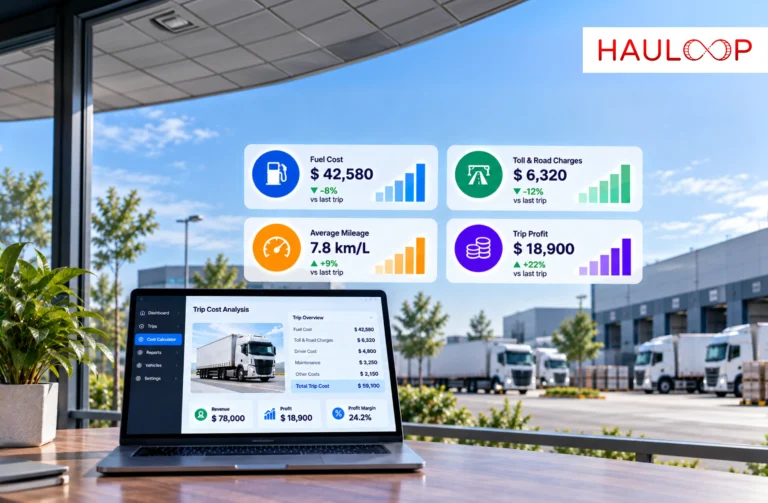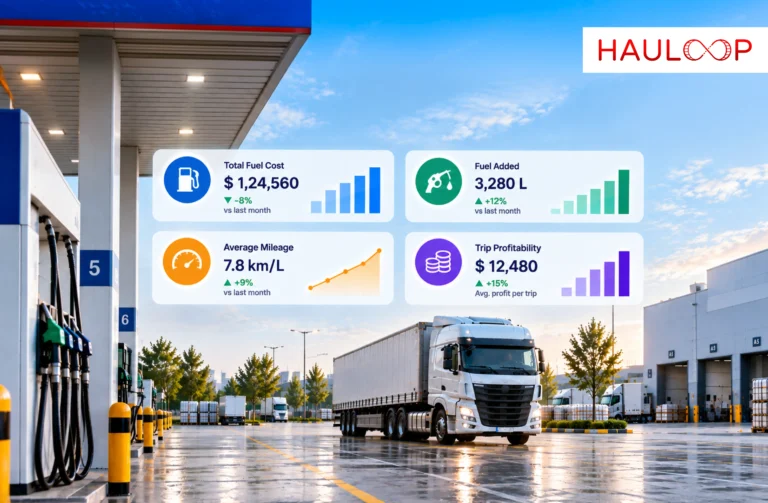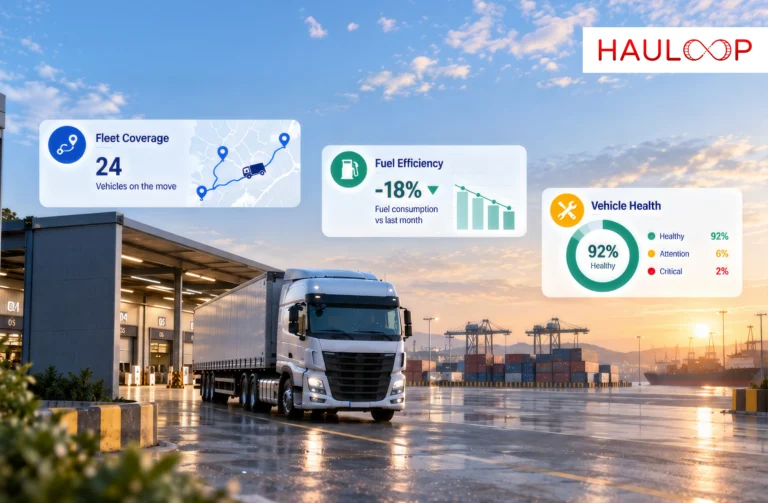
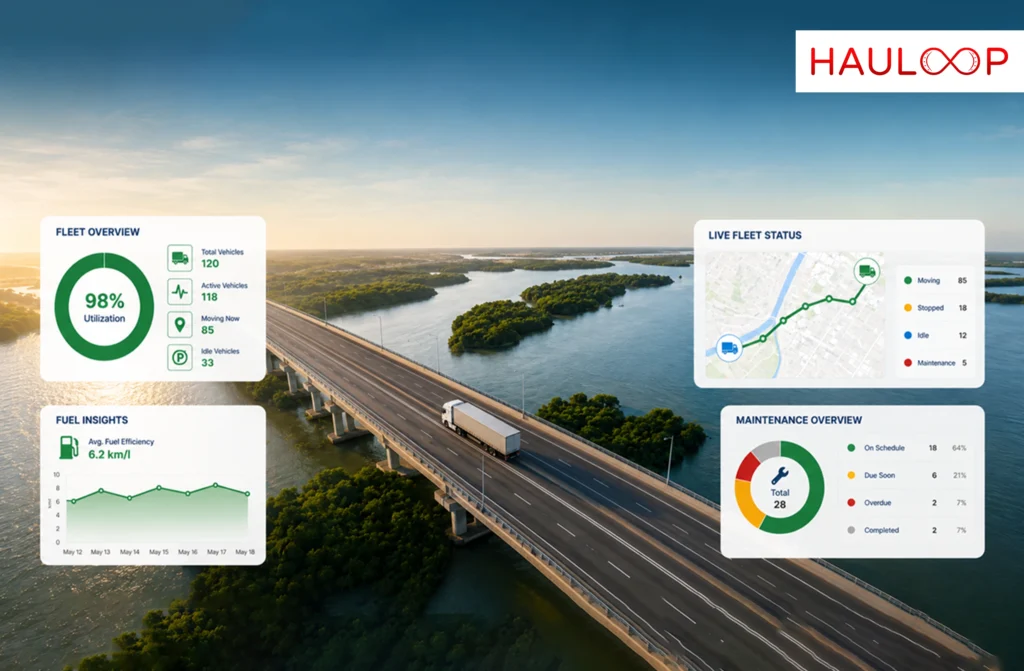
There is no shortage of fleet management platforms. GPS tracking, AI dashcams, predictive maintenance, fuel monitoring, driver behaviour scoring, compliance management, warehouse connectivity, the feature lists have never been longer.
And yet, many fleet operators find themselves asking the same question six months after going live with a new system: ‘Why does this feel harder than it should?’
The answer is rarely that the platform is bad. More often, it is that the platform was designed for a different operational profile than the one it is being used for.
This guide covers the main categories of fleet management platforms available in 2026, what each is genuinely built to do well, and a practical framework for matching your operational needs to the right solution, whatever that turns out to be.
Fleet compliance, driver safety, maintenance management, and route optimisation are increasingly distinct product categories despite surface-level similarities. Choosing based on brand recognition or feature count, rather than operational fit, is one of the most common and most expensive mistakes in fleet technology procurement.
Why Platform Selection is Getting More Complex?
Fleet management software in 2026 is not a single category. It has split into several distinct disciplines, each serving a different operational priority:
- Safety and compliance platforms — built around dashcam-driven driver coaching, incident documentation, and regulatory compliance
- Telematics and analytics platforms — built around connected vehicle data, route optimisation, and enterprise analytics
- Fleet intelligence platforms — built around connecting tracking, maintenance, fuel, driver, and cargo data into a unified operational picture
- Maintenance management platforms — built around vehicle health, work orders, inspection workflows, and downtime reduction
The First Question: What does Your Fleet Actually Need?
Before comparing any platform, this question defines everything else:
What is the single operational problem that costs you the most money every month?
For some fleets, it is safety incidents and driver behaviour, accidents, liability claims, unsafe driving that is invisible without video evidence.
For others, it is unplanned breakdowns, vehicles failing on the road because service risk was not caught in time, or because the maintenance system and the dispatch system do not talk to each other.
For others still, it is fuel consumption that drifts above baseline, fills that do not reconcile, idling that adds up silently every month.
And for many growing logistics operations, it is coordination, dispatch, maintenance, compliance, and driver communication all running on different tools that require a person to hold all the connections in their head.
The platform that best solves your primary problem is the right platform for your fleet, regardless of which name ranks highest on a review site.
Understanding the Main Platform Categories
Category 1 — Safety and Dashcam-First Platforms
Best for: Large fleets where driver safety, video evidence, and incident management are the primary operational priorities.
What it does exceptionally well: Platforms in this category, Samsara is the most prominent example, have built their core product around AI-powered dashcam technology. The camera captures driver behaviour continuously. AI models flag harsh braking, distraction, mobile phone use, and other risk events in real time. Fleet managers receive alerts, review footage, and conduct structured coaching conversations with drivers. When incidents occur, video evidence is immediately available.
Samsara has been rated No. 1 on G2’s Overall Grid Report for Fleet Management for five consecutive quarters through 2025 and into 2026, based on verified customer reviews. 92% of customers are likely to recommend Samsara. G2 reviewers consistently highlight its real-time tracking capabilities, dashcam quality, ease of use, and the transparency it brings to driver behaviour management. For fleet operators whose primary challenge is safety, liability, and driver coaching at scale, this is a genuinely strong platform.
Where to apply careful evaluation: Safety-first platforms are optimised for what they do best. Fleets that need deep maintenance management, predictive breakdown prevention, fuel intelligence, or connected business workflows may find these capabilities require additional tools or integrations. Contract structure also warrants careful evaluation, platforms in this category typically require multi-year commitments.
Category 2 — Telematics and Analytics Platforms
Best for: Large enterprises with technical resources that need connected vehicle data, compliance management, and a broad integration ecosystem.
What it does exceptionally well: Platforms like Geotab have built their product around connected vehicle data, deep OBD integration, vehicle diagnostics, compliance management, route optimisation, and a marketplace ecosystem of third-party applications. In 2026, selecting the right platform is less about feature volume and more about operational fit, data integrity, and long-term scalability. Geotab’s strength is in the depth and configurability of its analytics layer, organisations with dedicated fleet technology resources can build sophisticated reporting, alerts, and integrations. For enterprises that operate across multiple countries and require OEM-level vehicle data integration, this category offers genuine depth.
Where to apply careful evaluation: The configurability that makes these platforms powerful for technically equipped organisations can create complexity for operations teams without dedicated IT resources. Implementation timelines and integration quality can vary significantly depending on the reseller relationship and technical configuration required.
Category 3 — Fleet Intelligence Platforms
Best for: Mid-market logistics, FMCG, field service, and transport operators that need tracking, maintenance, fuel, compliance, and dispatch working together in one connected environment.
What it does exceptionally well: This is the category Hauloop is built for. Rather than starting from a single capability and adding others over time, fleet intelligence platforms are designed from the ground up to connect every operational data source into a unified picture. When a fuel sensor reading, GPS position, dashcam timestamp, and digi lock event all appear on the same trip timeline, not across four dashboards but on one shared time axis, the patterns that are invisible in any single data source become visible. A fuel tank that drops 14 litres in eight minutes while a vehicle is stationary is a siphon suspect on the fuel dashboard alone. On the unified trip timeline, you see the dashcam footage, the OBD engine activity, and the cargo lock status simultaneously, and reach a conclusion in 60 seconds rather than cross-referencing three systems.
Where to apply careful evaluation: Fleet intelligence platforms deliver the most value when all (or most) device types are deployed and integrated. Fleets that only need one operational capability, safety coaching, or maintenance scheduling, may find a category-specialist platform is a more focused fit.
Category 4 — Maintenance Management Platforms
Best for: Fleets where vehicle uptime, scheduled service management, and maintenance cost control are the primary priorities.
What it does exceptionally well: Platforms like Fleetio are built specifically around maintenance workflows, preventive scheduling, digital inspection forms, work orders, parts tracking, and service history. For fleets where the maintenance function is the operational bottleneck, dedicated maintenance platforms offer depth that general-purpose telematics tools often do not.
Where to apply careful evaluation: Pure maintenance management platforms may not include real-time GPS tracking, fuel monitoring, or driver behaviour analytics. Fleets that need all of these in one environment may find themselves managing integrations between systems.
The Matching Framework: Four Questions Before You Shortlist
These four questions will determine which platform category is the right starting point for your evaluation.
Question 1: What is your primary operational challenge?
- Driver safety, incidents, liability, coaching → Category 1 (Safety-first)
- Connected vehicle data, compliance reporting, enterprise analytics → Category 2 (Telematics)
- Connecting tracking, maintenance, fuel, and dispatch in one environment → Category 3 (Fleet intelligence)
- Maintenance scheduling, work orders, vehicle uptime → Category 4 (Maintenance management)
Question 2: What is your fleet size and growth trajectory?
- 5–20 vehicles, straightforward operations → simpler platforms deliver faster value
- 20–200 vehicles, multi-role operations team, growth planned → fleet intelligence platforms are designed for this profile
- 200+ vehicles, enterprise procurement, global operations → telematics and safety-first platforms with enterprise contracts
Question 3: Do you have technical resources to configure and maintain the platform?
- Yes, dedicated IT or fleet technology team → platforms with high configurability and broad marketplace ecosystems are viable
- No, operations team manages everything → look for platforms with faster deployment, direct vendor support, and pre-built operational workflows
Question 4: What does your contract risk tolerance look like?
- Certain fleet size, established operation, multi-year budget → multi-year contracts may offer better per-vehicle economics
- Growing fleet, seasonal demand, uncertain trajectory → flexible SaaS contracts reduce lock-in risk
A Practical Comparison of the Main Platforms
| Platform | Primary strength | Best fit | Contract | Notable consideration |
| Samsara | AI dashcam safety and driver coaching | Large fleets, safety-first | 3-year minimum | Industry-leading G2 ratings; strong for safety-first operations |
| Geotab | Connected vehicle data and analytics | Enterprises with technical resources | Reseller-dependent | Broad marketplace; setup complexity varies |
| Motive | AI dashcam and compliance | Safety and compliance; flexible contract options | Annual/multi-year | Strong AI dashcam capabilities; flexible annual and multi-year contract options |
| Fleetio | Maintenance management depth | Maintenance-first operations | Monthly/annual | Strong DVIR and work order workflows; limited live tracking |
| Verizon Connect | GPS tracking and telematics | Established enterprise with broad coverage needs | Multi-year | Strong global coverage; well-suited to organisations with existing Verizon relationships |
| Hauloop | Fleet intelligence — tracking, maintenance, fuel, compliance, TMS connected | 20–200 vehicle logistics, FMCG, field service | Flexible SaaS | India-first; predictive maintenance; unified trip timeline; direct support |
What Fleet Intelligence Actually Looks Like in Practice?
The term is used broadly in the industry. Here is what it looks like when it works:
Maintenance: A vehicle shows early wear patterns on a transmission sensor. The platform flags it 28 days before a predicted failure. Service is scheduled during a low-utilisation window. The vehicle is never assigned to a long-haul route during the risk period. The fleet avoids a roadside breakdown, and the recovery, repair, and missed delivery costs that come with it.
Fuel: A vehicle shows a fill at an off-route location, larger than expected for that shift. The operations manager cross-references the GPS route and dashcam timestamp before the shift ends. The pattern is investigated the same day, not discovered in a monthly report.
Dispatch: A driver reports a delay. The live console recalculates ETAs for remaining stops and updates the customer automatically. The operations team makes no manual phone calls.
Compliance: Two vehicles have document renewals expiring within five days. The platform alerts the fleet manager automatically and prevents their assignment until renewals are complete.
These outcomes require data from multiple devices, GPS, fuel sensor, OBD, dashcam, digi lock, TPMS, to be connected in one platform, with the platform doing the correlation, not the fleet manager.
Where Hauloop Fits in this Picture?
Hauloop is built for the operational profile described in Category 3, mid-market logistics, FMCG, field service, and transport operators running 20–200 vehicles across one or more depots, where the challenge is not a single problem but the coordination challenge of connecting every operational dimension simultaneously.
The six devices, GPS, fuel monitor, OBD, dashcam, digi lock, TPMS, feed into a vehicle-centric data model where every device is a child of the vehicle. The unified trip timeline brings all six streams onto one time axis per trip. Role-based workspaces ensure each person in the operation sees conclusions relevant to their decisions, not a catalogue of raw data.
Hauloop’s predictive maintenance layer uses ML models to surface failure risk up to 30 days in advance, integrated into the same workspace the dispatcher uses, so the conflict between vehicle availability and maintenance status is caught before the vehicle leaves the yard.
For operators who need fleet data connected to business financials, where QuickBooks, Xero, or SAP need to reflect fuel costs, maintenance spend, and vehicle downtime without manual data transfer, Hauloop handles this natively through direct integrations.
Is Hauloop the right choice for every fleet? No. For large enterprises where AI dashcam safety coaching at scale is the primary priority, Samsara’s category leadership is genuine and well-earned. For enterprises with technical teams that need deep telematics analytics and a broad integration marketplace, Geotab’s configurability is a real advantage. Hauloop is the right choice for fleets where the primary challenge is operational coordination, where tracking, maintenance, fuel, compliance, and dispatch need to work together in one environment.
Three Perspectives on the Same Decision
MD / Owner — “How do I know if my current platform is actually delivering?”
The clearest signal is not feature count, it is whether your operations team spends more time gathering information or acting on it. If your fleet manager’s day involves pulling data from three systems to answer one question, the platform is working against the team, not with it. The right platform surfaces conclusions, not data, so the team can act, not analyse.
Fleet Manager / COO — “What should I actually look for in a platform evaluation?”
Beyond the demo, ask for a walkthrough of the specific scenario that costs you the most money each month. If your biggest problem is maintenance breakdowns, walk through how the platform handles a vehicle showing early failure signals, from alert to maintenance schedule to dispatch visibility. The platform that handles your specific scenario clearly and quickly is the right platform.
CFO — “How do I think about total cost of ownership?”
The visible cost is the subscription. The invisible cost is the operational loss the platform does not recover. A platform that prevents one major breakdown per vehicle per year, at the cost of emergency repair, recovery, missed delivery, and customer penalty, delivers ROI that far exceeds its subscription cost. The right evaluation compares platform cost against the specific operational losses the platform is designed to recover.
Before You Book a Demo: Five Preparation Steps
- List your top three operational losses from the past six months, not categories, but specific events that cost you money. These are the scenarios your platform evaluation should test.
- Map the tools your team currently uses across tracking, maintenance, fuel, compliance, and communication. Any platform you evaluate should either replace these or connect with them.
- Clarify your decision-making team. Fleet software is used by operations managers, dispatchers, maintenance teams, and drivers, not just the person signing the contract.
- Understand your growth trajectory. A fleet of 15 vehicles today that will be 40 vehicles in 18 months should evaluate platforms that scale without re-implementation.
- Ask every vendor the same question: ‘Walk me through what happens when [your specific high-cost scenario] occurs in your platform.’ The quality of that walkthrough tells you more than any feature comparison table.
If your primary challenge is operational coordination, connecting tracking, maintenance, fuel, compliance, and dispatch in one environment, book a demo with Hauloop and see how fleet intelligence works in practice.
The best fleet management platform is the one that solves your specific operational problems. Samsara is the right platform for fleets that need safety-first, dashcam-driven operations at scale. Geotab is the right platform for enterprises with technical resources and deep analytics requirements. Fleetio is the right platform for maintenance-first operations. Hauloop is the right platform for logistics and transport operators that need tracking, maintenance, fuel, compliance, and dispatch connected in one operational environment. The starting point for every evaluation is the same: be clear about what your fleet actually needs. The rest follows from that.
Frequently Asked Questions
How do I choose the right fleet management platform?
Start with one question: what single operational problem costs you the most money every month? Match that primary challenge to a platform category, safety-first, telematics, fleet intelligence, or maintenance management, rather than choosing on brand recognition or feature count, which is the most common and expensive procurement mistake.
What are the main categories of fleet management software in 2026?
Four distinct categories: safety and dashcam-first platforms (e.g. Samsara), telematics and analytics platforms (e.g. Geotab), fleet intelligence platforms (e.g. Hauloop), and maintenance management platforms (e.g. Fleetio). Each is built for a different operational priority.
What is a fleet intelligence platform, and how is it different from telematics?
A fleet intelligence platform is designed from the ground up to connect every data source, GPS, fuel, OBD, dashcam, digi lock, TPMS, onto one unified trip timeline so the platform does the correlation, not the fleet manager. Telematics platforms focus on connected vehicle data and analytics depth, often requiring technical resources to configure.
What are good alternatives to Samsara and Geotab?
It depends on your primary need. For maintenance-first operations, Fleetio offers depth. For 20–200 vehicle logistics, FMCG, and field-service operators needing tracking, maintenance, fuel, compliance, and dispatch connected in one environment, Hauloop is built for that coordination profile with flexible SaaS contracts and predictive maintenance.
What fleet size suits a fleet intelligence platform?
Fleet intelligence platforms are designed for 20–200 vehicle operations with multi-role teams and planned growth. Fleets of 5–20 vehicles with straightforward operations often get faster value from simpler platforms; 200+ vehicle enterprises typically evaluate telematics and safety-first platforms with enterprise contracts.
How should I prepare before booking a fleet platform demo?
Complete five steps: list your top three specific operational losses from the past six months, map your current tools, clarify your full decision-making team, define your growth trajectory, and ask every vendor to walk through what happens when your highest-cost scenario occurs in their platform, that walkthrough reveals more than any feature comparison table.