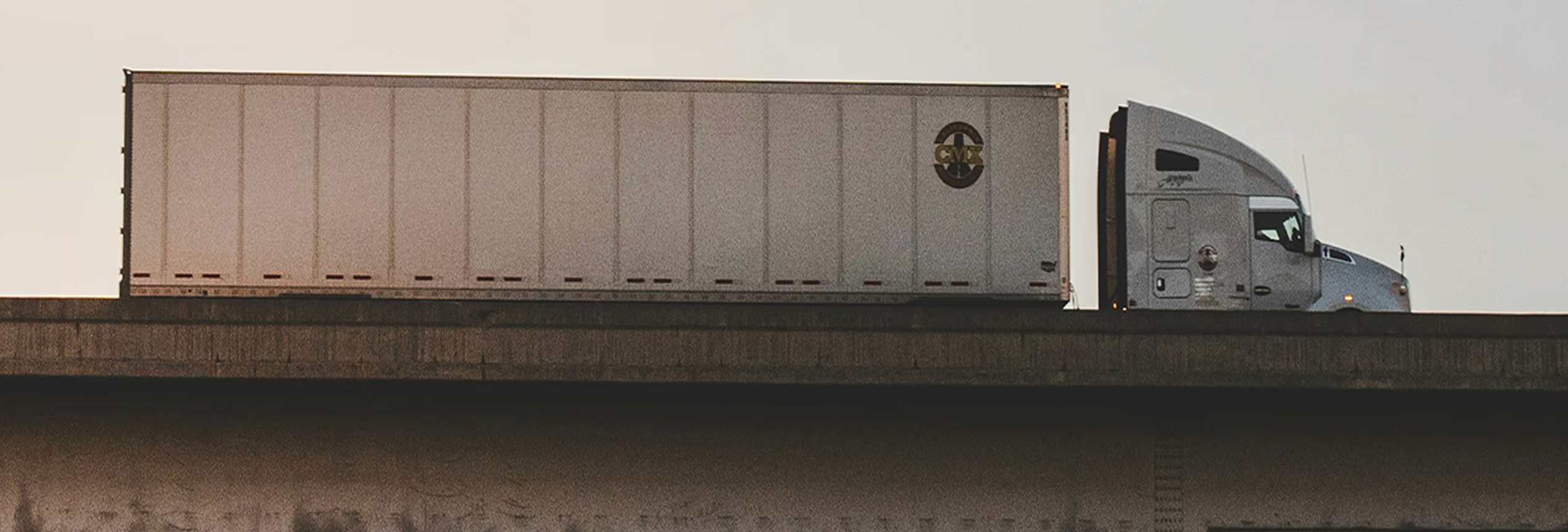
Vehicle Security System
A vehicle security system combines physical, electronic, and connected controls designed to prevent unauthorised access, use, theft, or cargo interference. Depending on the vehicle, it may include locks, alarms, immobilisers, tracking devices, access credentials, cameras, and door or ignition sensors.
Physical barriers discourage entry, while immobilisers prevent engine operation without an authorised key or signal. GPS tracking and geofences can alert fleet teams to unexpected movement and support recovery efforts. Driver identification can also show whether an approved person accessed or operated the vehicle.
No individual security feature can prevent every theft method. Criminals may target keys, wireless signals, tracking devices, cargo doors, diagnostic ports, or parked trailers. Fleets should assess risks according to vehicle value, cargo, route, parking location, and operating time. Layered security may combine controlled key management, secure parking, immobilisation, tracking, alarms, and documented response procedures. Alerts should reach responsible personnel who can verify the event and contact law enforcement or security support when necessary. Drivers should avoid confronting suspected thieves and follow established safety instructions. Devices require battery checks, software updates, secure installation, and testing for tampering or communication failure. Reviewing theft attempts, false alarms, unauthorised movement, and recovery time helps fleets improve controls. Effective security protects people first while reducing asset loss and operational disruption.
Common questions
Quick answers related to Vehicle Security System.
Which features can be included in vehicle security systems?
Security may include mechanical locks, alarms, immobilisers, GPS tracking, geofences, cameras, driver identification, door sensors, ignition alerts, secure key storage, and protected diagnostic access. Suitable controls depend on vehicle value, cargo, location, and identified theft methods.
How does an immobiliser protect a fleet vehicle?
An immobiliser prevents the engine or drive system from operating unless it recognises an authorised key, credential, or electronic signal. It can reduce certain theft methods but should be combined with physical security, tracking, and controlled key management.
Can GPS tracking prevent vehicle theft?
Tracking does not physically prevent theft, but movement and geofence alerts can support faster detection. Location data may assist recovery when the device remains active. Criminals may disable or remove trackers, making layered security and concealed installation important.
What should happen after an unauthorised-movement alert?
The responsible team should verify the vehicle, driver assignment, location, and alert timestamp before following its security-response procedure. Drivers should not confront suspected offenders. Law enforcement, security providers, insurers, or recovery teams may need to be contacted promptly.
How should fleets evaluate security-system performance?
Fleets can monitor theft attempts, unauthorised access, false alarms, alert response, recovery time, device health, and recurring high-risk locations. Incident reviews help determine whether equipment, parking, key control, driver procedures, or escalation arrangements require improvement.