Trailer Tracking
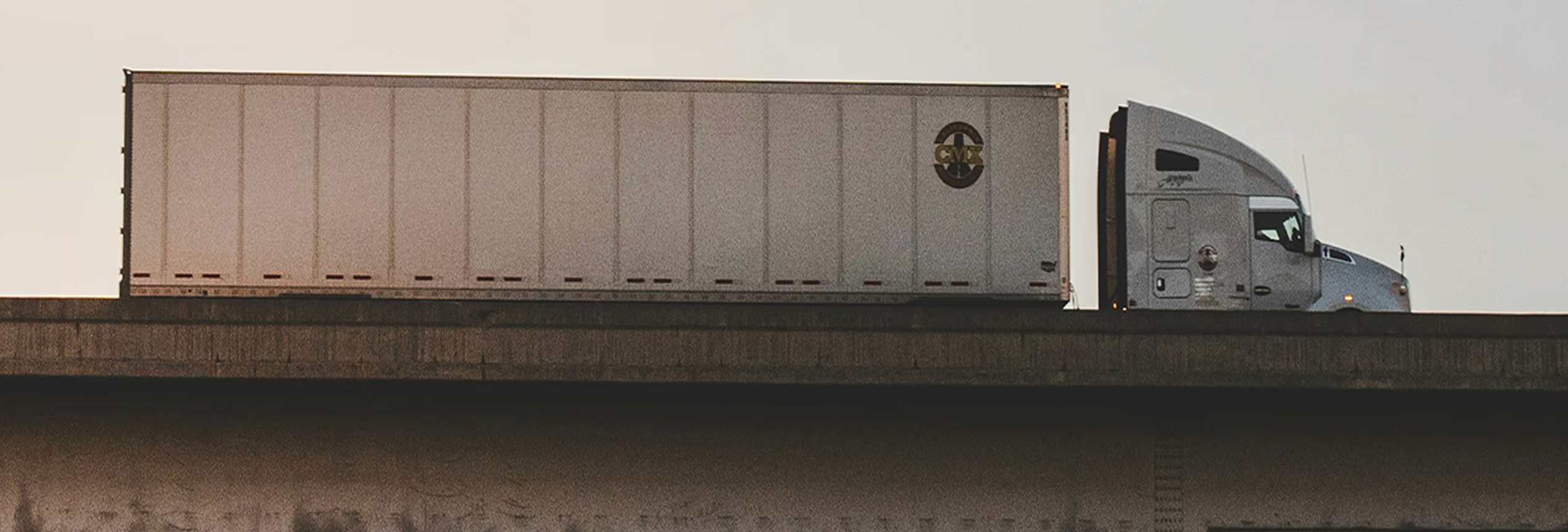
Trailer tracking uses GPS, mobile communication, and connected sensors to monitor the location, movement, and status of fleet trailers. It gives operators visibility into assets that may remain detached from powered vehicles and parked at depots, customer sites, yards, or remote locations.
Battery-powered devices can report position at configured intervals and may detect movement, door opening, coupling, temperature, load status, or unauthorized activity. Update frequency is often adjusted to balance operational visibility with battery life, particularly when trailers remain stationary for extended periods.
Tracking helps fleets find available trailers, reduce search time, investigate unauthorized movement, and understand how long assets remain loaded, empty, idle, or under maintenance. Geofence alerts can identify unexpected yard exits or prolonged customer detention. However, a location point does not confirm whether the trailer is available, roadworthy, loaded, or assigned unless status information is updated accurately. Fleets should connect tracking data with dispatch, maintenance, inspection, and load records where possible. Devices require secure installation, battery monitoring, suitable network coverage, and inspection for tampering or damage. Utilization analysis can show whether the fleet has surplus trailers or shortages by location and type. Useful measures include active days, loaded and empty time, detention, unassigned periods, recovery time, and tracking-device health. Effective trailer tracking protects assets while supporting better allocation, maintenance, and fleet-sizing decisions.
Common questions
Quick answers related to Trailer Tracking.
How are trailers tracked when disconnected from trucks?
Trailers can use independent battery-powered GPS and communication devices that operate without tractor power. The unit records location and transmits updates at configured intervals. Some devices also connect to solar panels or recharge when the trailer is coupled.
What information can trailer-tracking devices collect?
Depending on connected sensors, systems may collect location, movement, door status, coupling, temperature, load condition, battery level, and geofence activity. Available data depends on hardware, installation, communication coverage, sensor configuration, and the trailer’s operational requirements.
How does trailer tracking improve asset utilization?
Tracking shows where trailers are and how long they remain loaded, empty, idle, detained, or under maintenance. Fleets can reposition suitable assets, reduce search time, identify prolonged inactivity, and avoid acquiring additional trailers when existing capacity is underused.
Can trailer tracking help prevent theft?
It can generate alerts for unauthorized movement, unexpected geofence exits, door openings, or device tampering. Tracking may support faster investigation and recovery, but it should complement physical locks, secure parking, access control, and established security-response procedures.
Which trailer-tracking metrics should fleets review?
Fleets can monitor active days, loaded time, empty time, customer detention, idle duration, unauthorized movement, recovery time, battery health, and missed updates. Reviewing results by trailer type and location supports allocation, maintenance, security, and fleet-size decisions.