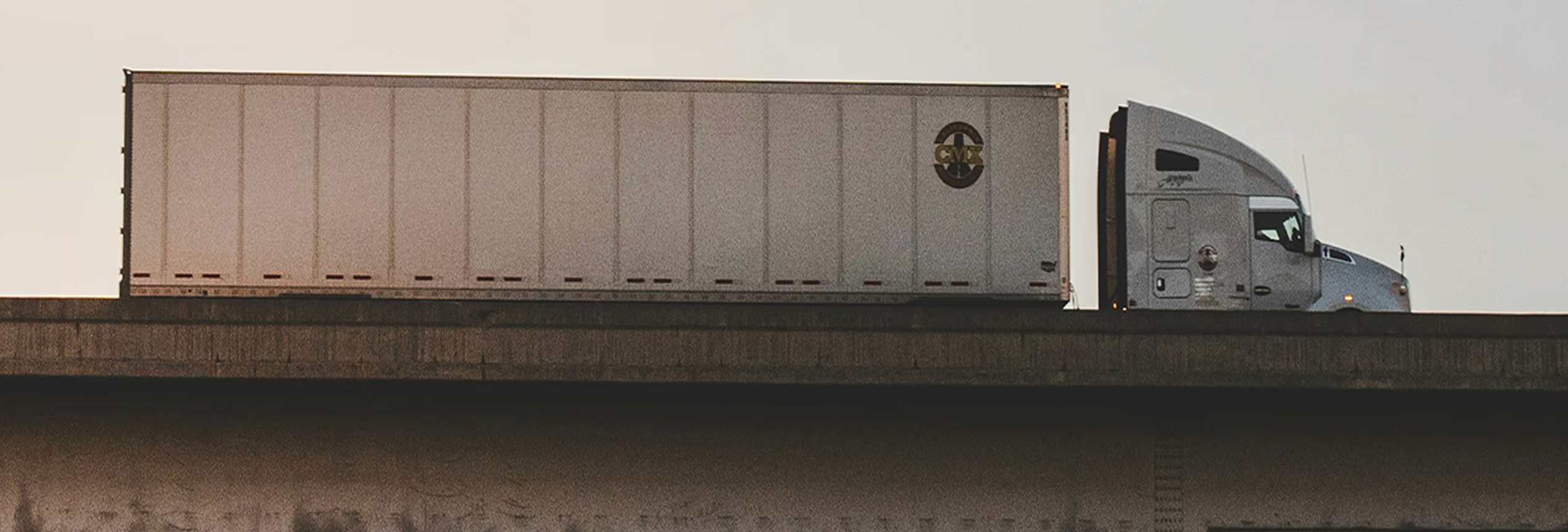
Kinetic Highway
A kinetic highway refers to road infrastructure designed to adjust dynamically to vehicle needs in real time, optimizing traffic flow at the infrastructure level rather than leaving optimization entirely to individual vehicles or fleet routing systems working in isolation. Instead of a static road network with fixed signal timing and lane configurations regardless of actual traffic conditions, a kinetic highway responds continuously to what’s actually happening on the road as it happens.
This responsiveness depends on connected vehicles communicating directly with roadway systems, sharing data on position, speed, and traffic conditions that the infrastructure itself can use to make real-time adjustments, whether that’s modifying signal timing, adjusting lane usage, or coordinating traffic flow across multiple intersections in response to actual demand rather than a fixed schedule. This two-way exchange between vehicles and infrastructure is what distinguishes a kinetic highway from traditional smart traffic systems that primarily monitor conditions without the same level of direct, continuous vehicle communication.
The result of this dynamic coordination is a road network that reduces congestion and improves traffic flow more effectively than static infrastructure ever could, since the system is constantly adapting to real conditions rather than operating on assumptions baked in at the time signals were originally configured. For commercial fleets operating heavily in areas with this kind of connected infrastructure, the benefit shows up indirectly but meaningfully, smoother, more predictable travel through corridors where the road itself is actively working to keep traffic moving rather than simply managing it after congestion has already formed.
Common questions
Quick answers related to Kinetic Highway.
What is a kinetic highway?
It's road infrastructure designed to dynamically adjust to vehicle needs in real time, optimizing traffic flow at the infrastructure level rather than through vehicle routing alone.
How do connected vehicles interact with a kinetic highway?
Vehicles communicate data like position, speed, and traffic conditions directly to roadway systems, which use that information to make real-time adjustments to signals and traffic flow.
How is a kinetic highway different from a standard smart traffic system?
Kinetic highways involve direct, continuous two-way communication between vehicles and infrastructure, rather than infrastructure that only monitors conditions passively.
How does a kinetic highway reduce congestion?
By continuously adapting to actual traffic conditions rather than operating on fixed schedules, the infrastructure can respond to demand before congestion fully develops.
Do commercial fleets benefit from kinetic highway infrastructure?
Yes, indirectly. Fleets traveling through corridors with kinetic highway infrastructure typically experience smoother, more predictable traffic flow as a result.