Collision Avoidance Systems
Collision avoidance systems detect potential collisions before they happen and respond by warning the driver, applying automatic braking, or both, acting as a continuous safety layer that never stops watching the road even when a driver’s attention momentarily lapses. Built on radar, cameras, and increasingly LiDAR, these systems don’t wait for a near-miss to become obvious to the human eye, they calculate closing speed and distance to surrounding obstacles constantly, flagging risk the moment it starts to develop rather than the moment it becomes unavoidable.
This continuous monitoring covers the vehicle’s surroundings in every direction that matters, ahead for forward collisions, to the sides for lane changes and merges, and behind for reversing, giving the system a persistent awareness that a driver, however experienced, simply can’t maintain every second of every trip. When a developing risk is detected, most systems escalate in stages, starting with an audible or visual warning to give the driver a chance to respond, and moving to automatic braking if that warning goes unheeded and a collision becomes imminent. That layered response is what allows the technology to significantly reduce both the frequency and severity of accidents, since intervention often happens faster than human reaction time alone would allow.
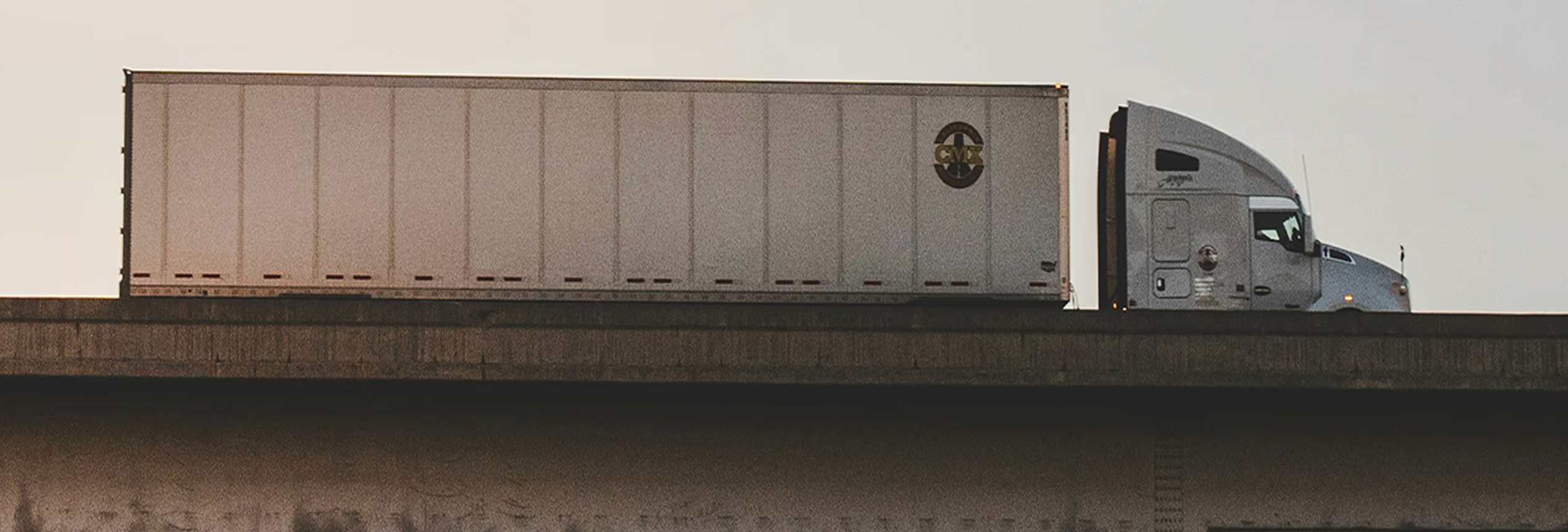
Collision avoidance systems deliver outsized value for large vehicles with limited visibility, trucks and buses with substantial blind spots where a driver’s own senses are least reliable, making the technology’s constant, all-around monitoring especially valuable rather than a convenience. That safety improvement carries financial weight too: insurers increasingly recognize collision avoidance technology as a meaningful risk reducer, and fleets that deploy it often see insurance premiums decrease as a direct result of their improved safety profile.
Common questions
Quick answers related to Collision Avoidance Systems.
How do collision avoidance systems detect potential collisions?
They use radar, cameras, and sometimes LiDAR to continuously monitor a vehicle's surroundings, calculating distance and closing speed to nearby obstacles to flag risk before it becomes unavoidable.
What happens when a collision avoidance system detects a risk?
Most systems first issue an audible or visual warning to the driver, then apply automatic braking if the warning goes unheeded and a collision becomes imminent.
Why are collision avoidance systems especially valuable for large vehicles?
Trucks and buses have significant blind spots, so the constant, all-around monitoring these systems provide compensates for visibility limitations drivers alone can't overcome.
Do collision avoidance systems reduce accident severity as well as frequency?
Yes. By intervening faster than typical human reaction time, these systems can reduce the frequency of collisions and lessen the severity of impacts that aren't fully avoidable.
Can collision avoidance technology lower fleet insurance costs?
Often, yes. Insurers frequently recognize collision avoidance systems as a meaningful risk reducer, and fleets that adopt the technology commonly see reduced insurance premiums.