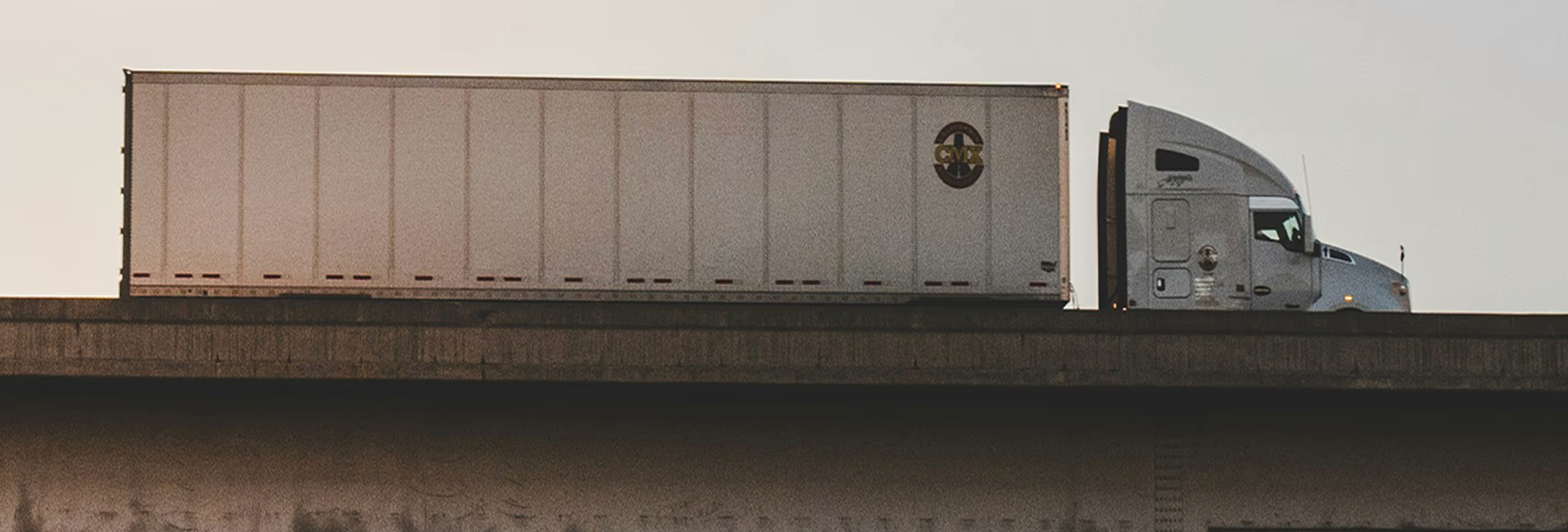
Weight Distribution
Weight distribution is the practice of arranging cargo so that the load is balanced across a vehicle’s axles, sides, and length. It considers where each item is placed, how heavy it is, and how it is secured, so the weight is shared within the limits set by the vehicle manufacturer, axle ratings, and local regulations. Good planning uses load plans, pallet positions, loading sequences, scales or load sensors, and driver checks, and takes into account the order of deliveries so heavy items are not buried under stops that come later.
Improper distribution affects stability and safety. An uneven load raises the center of gravity, increases sway and rollover risk in corners, causes uneven tire and suspension wear, and can push an axle over its legal limit, resulting in fines and out-of-service orders. Front-heavy loads impair braking effectiveness, overloading the front axle and steering components while lightening the rear, which can lengthen stopping distances and harm steering response.
Rear-heavy loads impair directional stability, taking weight off the steering axle, making the vehicle feel light and prone to wandering, fishtailing, or trailer sway, especially at speed or in crosswinds. Proper distribution improves fuel efficiency, because balanced loads reduce drag from poor handling, keep tires rolling evenly, and lower wear on brakes, tires, and suspension. Training loaders and drivers, using load-sensing technology, and verifying axle weights before departure help keep loads compliant, safe, and cost-effective.
Common questions
Quick answers related to Weight Distribution.
What is weight distribution?
It is the arrangement of cargo to balance load across a vehicle’s axles, sides, and length. Proper placement keeps weight within manufacturer and legal limits. It supports safe handling and braking.
Why does improper distribution matter?
Uneven loads can reduce stability, increase rollover and sway risk, wear tires and suspension unevenly, and overload axles. This can also lead to fines. Safety and compliance both suffer.
What happens with a front-heavy load?
Too much weight on the front axle can reduce braking effectiveness and strain steering components. The rear axle may carry too little weight, lengthening stopping distances. Balanced placement helps maintain control.
What happens with a rear-heavy load?
Weight taken off the steering axle can reduce directional stability, causing wandering, fishtailing, or trailer sway. These effects are worse at speed or in crosswinds. Correct placement improves steering control.
How does good distribution save fuel?
Balanced loads improve handling, keep tires and brakes wearing evenly, and reduce wasted energy. Vehicles run more smoothly and require less correction. This lowers fuel and maintenance costs.