A fleet management system doesn’t fail because of missing features. And when that happens, your team goes right back to calls, spreadsheets, and manual follow-ups.
A 25-vehicle logistics operation shortlisted three platforms. All three offered real-time tracking.
Only one connected fuel, maintenance, and driver data in a single view, and that’s the one
that actually reduced their manual follow-ups.
Start with Your Operational Reality, Not the Software
Before comparing tools, take a step back and look at your current operations.
Where are things slowing down? Where does your team spend the most time? What keeps going wrong?
For many fleets, the issues are familiar. There’s limited real-time visibility, delays in getting updates from drivers, rising fuel costs without clear explanations, and maintenance problems that show up too late.
If you don’t clearly understand these gaps, it’s easy to choose a system that looks good but doesn’t solve anything. The right fleet management system should directly address your day-to-day challenges, not just add another layer of data.
Write these gaps down before you open a single demo.
Define Your Must-Haves Before You Compare
Before you open a single demo, define what your system must do, not what would be nice to have.
Every fleet is different. A 10-vehicle delivery operation has different needs from a 100-vehicle logistics company. But across most fleets, these five criteria determine whether a system actually works in practice:
Before shortlisting any vendor, score each one against these five criteria. Any system that can’t clearly answer all five should not make your shortlist.
Real-Time Update Frequency
How often does the system refresh location and trip data? Anything beyond 30-second intervals creates blind spots in active operations. Ask vendors for their exact refresh rate, not just ‘real-time’ as a marketing claim.
Integration Capability
Can the system connect with your existing tools? Fuel cards, ERP systems, maintenance software, and dispatch tools should all be able to talk to each other. A system that sits in isolation creates more work, not less.
Ease of Adoption
How quickly can your team learn and use it daily? A system your drivers and managers resist using will fail regardless of its features. Ask for onboarding timelines and training support before committing.
Scalability
Can it handle growth? Adding vehicles, routes, or locations should not require switching platforms. Confirm vehicle caps, data storage limits, and pricing structure as you scale.
Vendor Support
What happens after go-live? Implementation support, response times, and dedicated account management matter more than most buyers realise. A system is only as good as the support behind it.
Use this list as your baseline filter. Any system that can’t clearly answer all five should not make your shortlist.
Look Beyond Tracking — Focus on Real-Time Control
Most systems offer tracking. But tracking alone doesn’t mean control.
Seeing where a vehicle is doesn’t tell you whether a trip is running behind, whether a delay is building, or whether something needs attention right now.
A real-time fleet management system goes further. It connects tracking with context, helping you understand whether operations are on track, what needs attention before it becomes a problem, and how decisions can be made while there’s still time to act.
When evaluating systems, ask yourself: does this help my team act faster, or just see more data?
Choose a System that Connects Everything
One of the biggest mistakes fleets make is adding more tools instead of connecting them.
Tracking sits in one system. Fuel data is somewhere else. Maintenance is handled separately. Driver updates come through calls or messages. The result is fragmented operations where your team spends more time chasing information than acting on it.
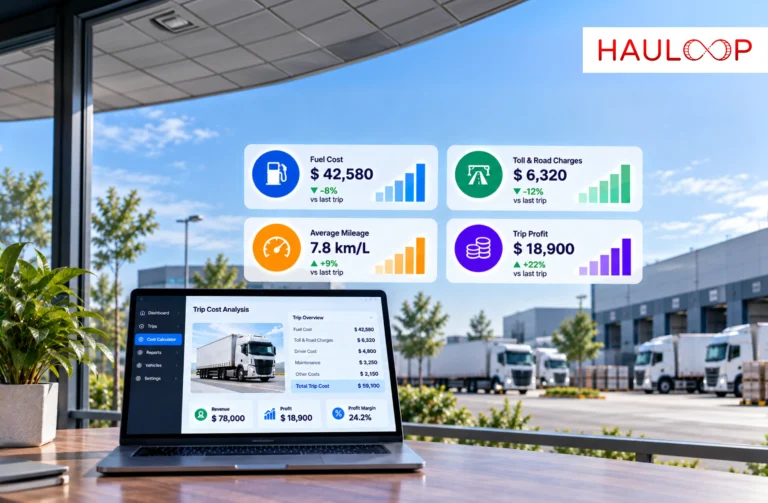
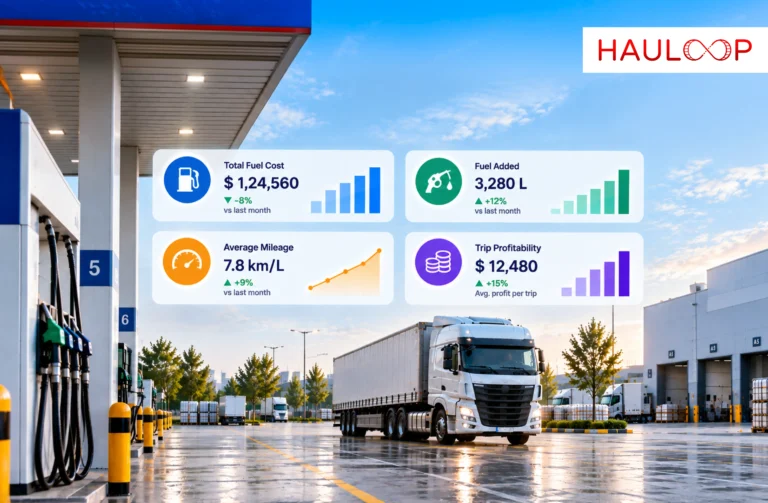
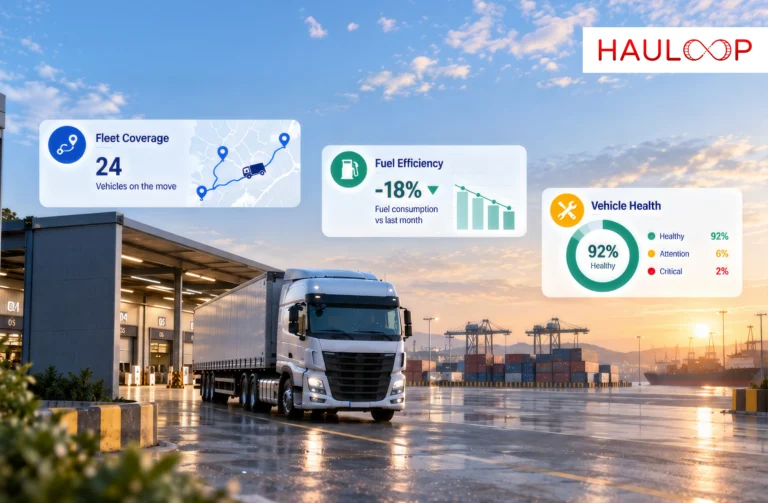
The right system should bring everything together, tracking, fuel, maintenance, driver activity, and analytics, into one connected workflow. When everything works together, your team spends less time switching between systems and more time making decisions.
Prioritise Actionable Insights Over Reports
Reports are useful, but they often come too late.
By the time you analyse a report, the problem has already happened, a delay, a breakdown, or a cost increase.
What you really need is insight that helps you act in the moment. A strong system should highlight delays as they start to build, flag maintenance risks before failures occur, detect unusual fuel usage in real time, and surface issues that need immediate attention.
This is where AI-driven systems stand out. They don’t just show data, they interpret it and guide action.
Avoid these Common Mistakes
Most fleet system selections go wrong not because of bad products, but because of avoidable mistakes in the selection process.
Choosing features over fit
It’s easy to get impressed by a long feature list during a demo. The fix: before any demo, list your top five operational pain points. Only evaluate how well each system solves those, nothing else.
Skipping integration checks
A system that doesn’t connect with your fuel cards, dispatch tools, or maintenance software creates islands of data. The fix: ask every vendor for a specific integration checklist and verify compatibility before shortlisting.
Trusting demos over trials
Demos are controlled environments. Real operations are not. The fix: always request a trial period or pilot with a subset of your fleet before full commitment.
Leaving your team out of the decision
Fleet managers often select systems without involving drivers and operations staff. The fix: include at least one field-level user in your evaluation process.
Underestimating implementation time
Most platforms take 4–8 weeks to fully implement. The fix: factor implementation time into your decision timeline and ask vendors for a realistic go-live plan upfront.
Conclusion
A fleet management system should make your operations easier to run, not harder to manage.
It should reduce manual effort, improve visibility, and help your team make better decisions faster. Most importantly, it should give you control, not just data.
When you choose a system that aligns with your operations, connects your data, and supports real-time decision-making, you set your fleet up for long-term efficiency and growth.
Book a demo with us today. Hauloop brings everything into one real-time, AI-powered platform, helping you move from fragmented operations to complete control.
Frequently Asked Questions
How do I evaluate real-time performance before buying?
Ask the vendor for their exact data refresh rate, not just ‘real-time’ as a claim. Request a live demonstration using actual vehicle data, not a recorded walkthrough. Ideally, run a short pilot on 2–3 vehicles before committing to a full rollout.
What integrations should a fleet management system support?
At minimum, look for compatibility with fuel card providers, ERP or accounting systems, maintenance management tools, and dispatch or route planning software. The more connected the system, the less manual data entry your team handles.
How long does fleet management system implementation typically take?
For most fleets, full implementation takes 4–8 weeks depending on fleet size, hardware requirements, and team training. Always ask vendors for a step-by-step implementation plan before signing.
What is the difference between a fleet management system and telematics?
Telematics refers specifically to the hardware and technology that collect vehicle data, GPS location, speed, and engine diagnostics. A fleet management system is the broader platform that uses telematics data alongside fuel, driver, maintenance, and trip information to give you a complete operational view.
How do I get my team to actually adopt a new system?
Involve your operations staff early in the evaluation process. Choose a system with a clean, intuitive interface and ensure the vendor provides structured onboarding. Start with a small pilot group, gather feedback, and roll out gradually.
What should I ask during a fleet management system demo?
Ask to see live data, not a scripted walkthrough. Key questions: What is your exact data refresh rate? How does the system alert us to issues in real time? What does the onboarding process look like? Can you show us how integrations work? What happens if we need support post-implementation?