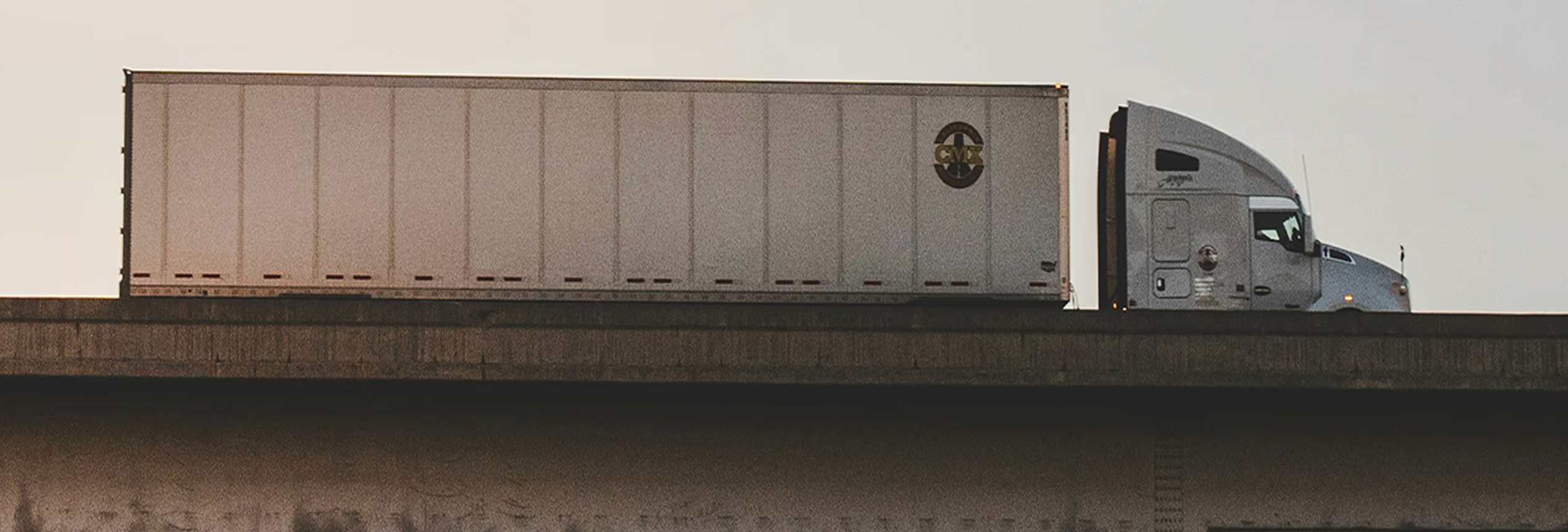
Mobile Workforce Management
Mobile workforce management manages field personnel through mobile applications, giving technicians, drivers, and service crews a direct digital connection to the office. Instead of phone calls, paper job sheets, and end-of-day check-ins, each worker receives assignments, updates, and instructions on a device they carry and reports back from the same device as work progresses.
Real-time visibility is what improves coordination. Dispatchers can see where each worker is, what they’re working on, and how far along the job is, so they can assign new jobs to whoever is closest and free, reroute around delays, and give customers accurate arrival times. Without that view, managers rely on estimates and check-in calls, which leaves gaps where jobs run long, workers sit idle, or urgent requests wait for the next available person to be tracked down.
Mobile apps enable real-time communication in both directions. Dispatch can push schedule changes, job details, and safety notices instantly, while field staff can send photos, notes, signatures, and completion confirmations without returning to a depot. This shortens the time between finishing a job and invoicing it, reduces miscommunication, and keeps office and field working from the same information throughout the day.
Common questions
Quick answers related to Mobile Workforce Management.
What is mobile workforce management?
It's the management of field personnel through mobile applications that handle job assignment, updates, and reporting in real time.
How does real-time visibility improve coordination?
Dispatchers can see worker locations and job progress, so they can assign the nearest available worker and adjust schedules as conditions change.
What can field workers do through a mobile app?
They can receive job details, update status, send photos and notes, capture signatures, and confirm completion without returning to the office.
How does mobile communication reduce delays?
Schedule changes and urgent requests reach workers instantly, and completed work is reported immediately rather than at the end of the day.
Which industries benefit most from mobile workforce management?
Field service, delivery, construction, utilities, and any operation with dispersed crews that need frequent coordination benefit most.